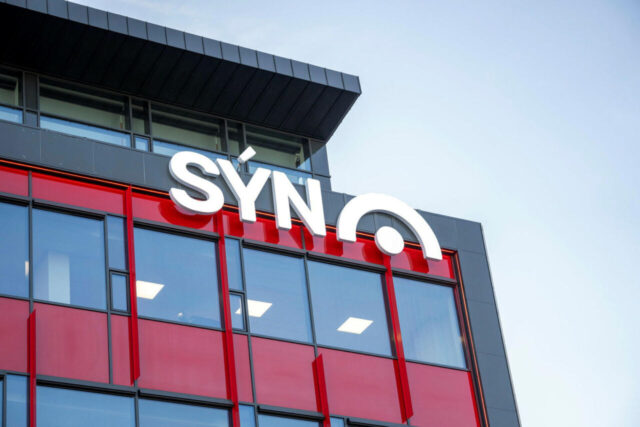
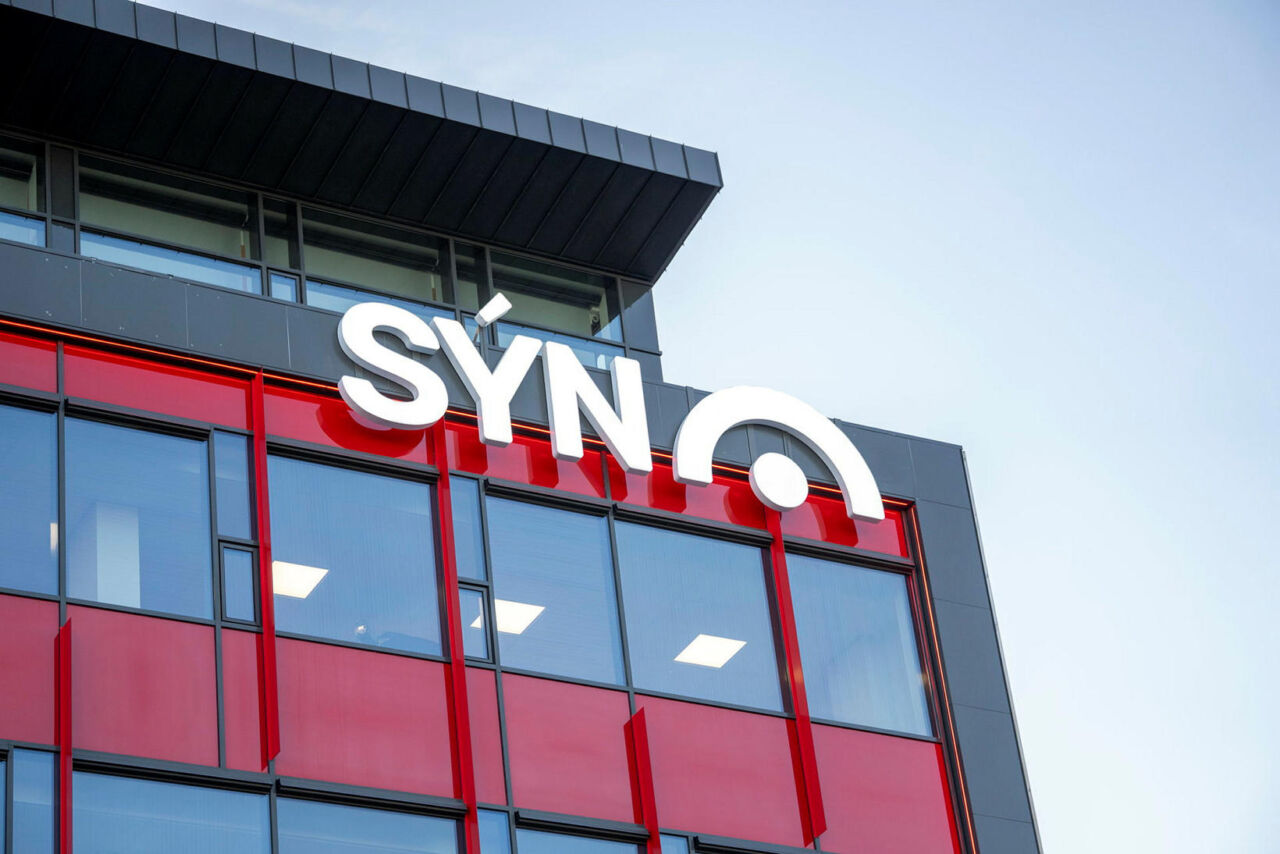
Sýn, one of Iceland’s largest private media groups, announced that as of September 1, it has ended its nearly 40-year tradition of on-air news broadcasting. While this decision leaves the island nation of 400,000 people reliant on a single national TV news broadcast (the public broadcaster RÚV), it once again highlights how small market dynamics, global tech giants, and ownership concentration have pushed journalism toward fragility in Northern Europe—a region known for its high levels of press freedom.
When one thinks of Iceland, images of high prosperity, security, social well-being, and—the subject of this article—press freedom come to mind. Indeed, in the World Press Freedom Index—recognized as one of the world’s most important benchmarks for press freedom—the country ranked 12th out of 180 countries this year with a score of 82.77.

In the assessment of Reporters Without Borders (RSF), positive factors cited include the country’s strong legal safeguards, high levels of public trust in the media, and the generally independent operation of leading national media organizations. However, the report also highlights Iceland’s small and concentrated media market, the financial difficulties faced by media companies, declining advertising revenues in the small advertising market, and the dominant position of the public broadcaster RÚV.
The developments that took place on August 31, unfortunately, once again demonstrated just how real and current some of the key issues—which the report identifies as risk factors—are for the Icelandic press. Sýn, one of the major private media groups that has been producing television news alongside the country’s public broadcaster RÚV for nearly 40 years, announced that it could no longer afford to continue producing and broadcasting television news and ceased its television news operations effective September 1. The company stated that its newsroom would continue its journalistic activities through the digital news platform Vísir and the Bylgjan radio station.
Perhaps the most important detail here is this: Sýn’s television channels have not closed and continue to broadcast. What has come to an end is the company’s television news service and news broadcasts, which it had maintained for nearly 40 years. The company also ceased production and broadcast of its daily current affairs program “Iceland Today” (Ísland í dag).
However, the end of the television news bulletins does not mean that only experienced journalists in the island nation are being cut off from television journalism. With this move, Iceland—with a population of 400,000—is left with only one national daily newspaper (Morgunblaðið) and the public broadcaster RÚV as the sole provider of national television news.
“TELEVISION JOURNALISM IS NOT SUSTAINABLE”
RSF’s findings on ownership concentration and financial fragility, highlighted in its Iceland country report, largely align with the Sýn group’s rationale for the shutdown. In its official statement, the company’s management cited data from the Statistics Iceland, noting that more than half of Iceland’s advertising spending goes to foreign media and platforms. The company also points to public broadcaster RÚV’s position in the advertising market as a significant competitive factor for private media.
However, there is another noteworthy detail here. Sýn’s declaration that its television news operations are economically unsustainable did not coincide with a period of declining media revenues. According to second-quarter results announced just days before the decision, the company’s media revenues increased by 12.3 percent and advertising sales by 9.1 percent compared to the same period the previous year. During the same period, the company’s total revenue rose by 2.8 percent, while operating expenses fell by 2.3 percent. Therefore, it is not possible to explain these developments solely in terms of a decline in Sýn’s media revenue. The company’s position is that the television news operation itself has long been economically unsustainable.
The Sýn side, which is at the center of the criticism, argues that the radical decision does not mean a complete withdrawal from journalism, but rather a move to adapt to changing media consumption habits and the realities of a globalizing market.
Herdís Dröfn FjeldstedB , Chair of the Executive Board, who addressed the public on the day the decision was announced, acknowledged the gravity of the decision and articulated the commercial necessity behind it with the following words:
“I acknowledge that this was by no means an easy decision. However, this decision was, unfortunately, inevitable.”
Fjeldsted highlighted the cost burden of traditional broadcasting, emphasizing that viewers’ news consumption habits have changed, television viewership has declined over the years, and advertising revenue has increasingly shifted to foreign tech giants. Company management states that, moving forward, all resources will be directed toward news operations on the digital news platform Vísir and Bylgjan radio, and that these platforms will be strengthened.
“MANAGERS WHO DON’T UNDERSTAND NEWS”
The Icelandic Journalists’ Union (BÍ) and the Nordic Journalists’ Federation (Nordisk Journalistforbund – NJF), which brings together journalists’ unions in the Nordic countries under a single regional umbrella, spoke with a united and resolute voice in the wake of the crisis, expressing deep concerns about the future of journalism in the country.
While the statements took an extremely harsh tone, BÍ President Sigríður Dögg Auðunsdóttir directly expressed her reaction to the decision in an interview with MBL, saying:
“This is a huge disappointment. It’s terrible to hear that the history of television journalism at Stöð 2 and Sýn has come to an end.”

Icelandic Journalists’ Union (BÍ) President Sigríður Dögg Auðunsdóttir: “These are just people who don’t understand news or journalism. I think this is a mistake.”
Auðunsdóttir openly criticized the company’s management, which made the decision to close the newsroom, accusing them of failing to understand the logic of the profession.
According to details in a report by the Icelandic news organization MBL, Auðunsdóttir said that the Sýn group had previously signaled the crisis by canceling its weekend newscasts and that management had completely disregarded its public image. Recalling that television news reaches 50,000 people directly every day, the BÍ President emphasized that the public’s trust and loyalty toward the organization cannot be measured by the number of kronur on the balance sheet.
“QUALITY NEWS ISN’T FREE”
Auðunsdóttir also highlighted striking data regarding the public’s news sources in her assessment for MBL. Citing a recent Gallup survey, the president noted that the vast majority of the public bases its decisions on information obtained through the media. While acknowledging that the public broadcaster RÚV must withdraw from the commercial advertising market, she stated that the real major threat comes from international technology companies that divert advertising revenue out of Iceland. Noting that Icelanders are less accustomed to paying for digital news subscriptions compared to people in the Nordic countries, Auðunsdóttir reiterated the warning: “Quality news isn’t free.”
In a decision published immediately following the crisis, the BÍ Board of Directors highlighted the societal consequences of the blackout and issued the following warning:
“As a result, less news will be produced, diversity in news coverage will decrease, and the public’s access to news will be limited. A pluralistic, strong, and independent editorial media is one of the cornerstones of democracy.”
In an official statement issued by the Board of Directors of the regional umbrella organization Nordic Journalists’ Federation (NJF), the regional dimension of the crisis was emphasized, and a direct appeal was made to political authorities and capital owners:
“Press freedom is not something that exists automatically or can be taken for granted, even in the Nordic countries. News organizations need sufficient resources to conduct investigations, report the news, hold those in power accountable, and provide the public with reliable information. We call on the Icelandic government, political leaders, media owners, the business community, and other stakeholders to take action to protect independent journalism.”
According to the unions, the absence of an alternative TV news service poses a serious risk not only to pluralism but also to public oversight and the functioning of democracy.
The Icelandic Journalists’ Union has more than 600 members. However, this figure does not represent the total number of journalists actively working in Iceland; in addition to journalists, the union’s membership includes photographers, freelancers, and members working in the communications field. Therefore, it is not possible to provide an up-to-date and accurate total of the number of people actually practicing journalism in the country.
In the Sýn case, more than 10 employees were laid off. Company management stated that the changes amounted to the loss of approximately 10 full-time positions. In a small media market like Iceland’s, a job loss of this magnitude resulting from a single decision signifies a significant contraction in television news.
At this point, the Icelandic example concretely illustrates just how fragile it is to sustain independent and pluralistic broadcasting in countries with small market dynamics. When the limits of public funding, the hegemony of global platforms in the advertising market, and the private sector’s profit-driven decisions converge, television news was one of the first areas to be sacrificed, as seen in the case of Sýn. Sýn’s decision is not merely the end of a news broadcast; it serves as a reminder that press freedom can be safeguarded not only through legal rights but also through sustainable economic ecosystems.